Category: Technology

  • Unveiling the Wonders of DTF Printing

    Unveiling the Wonders of DTF Printing

    Unveiling the Wonders of DTF Printing: A Technological Marvel

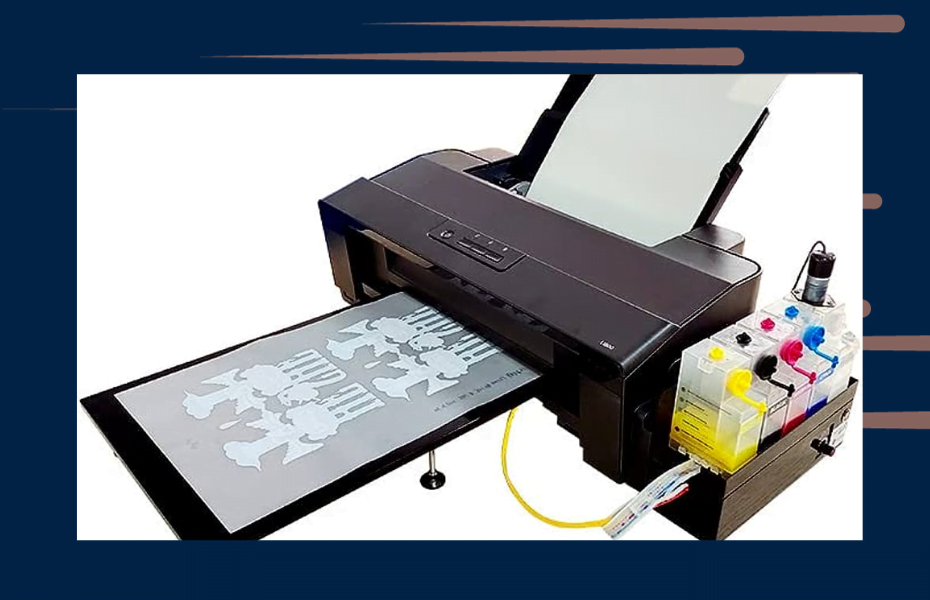
    In the realm of printing technology, there is a constant quest for innovation that can change the way we perceive and use printed materials. One such innovation that has been making waves in recent years is DTF printing. Short for “Direct to Film,” DTF printing is a revolutionary method that offers a fresh perspective on textile and fabric printing. In this article, we will delve into the world of printing, exploring its history, working principles, advantages, and the diverse range of applications it holds.

    A Brief Journey Through Printing History

    To appreciate the significance of printing, it’s essential to understand how we arrived at this cutting-edge technology. Traditional printing methods, such as screen printing and heat transfer, have been the staples in textile and fabric printing for years. While they have served us well, they come with limitations in terms of cost, time, and the range of materials they can work with.

    Digital printing, a breakthrough in the industry, paved the way for printing. Inkjet and dye-sublimation printers are some examples of digital printing technologies that have made textile printing more versatile and efficient. However, even digital printing had its constraints when it came to printing on a wide range of materials, including dark fabrics.

    This is where DTF printing enters the scene, offering a solution to these limitations while embracing the digital printing approach. It allows you to print on various fabrics, including dark ones, with remarkable clarity and vividness. But how does it work?

    The Inner Workings of DTF Printing

    It is a process that combines the best of both worlds – the precision of digital printing and the flexibility of traditional printing methods. At the heart of this technology is a specially designed printer equipped with a white underbase ink, a CMYK color set, and a UV LED curing system. The entire process can be broken down into a few distinct steps:

    1. Design Preparation: Just like any other digital printing process, the first step is to create or choose the design you wish to print. It can be a custom image, artwork, logo, or any other graphic element.
    2. Printing: The selected design is then loaded into the DTF printer, which is calibrated to accurately reproduce the colors and details of the design. The printer applies a white underbase ink followed by the CMYK colors onto a specially designed heat-resistant film.
    3. Curing: After printing, the fabric or garment is prepared for the application of the printed design. The printed film is placed on the textile, and the UV LED curing system goes to work. It cures the ink, ensuring it adheres to the fabric effectively.
    4. Peeling and Washing: Once the curing process is complete, the film is peeled away, leaving the vibrant, detailed design on the fabric. To ensure the design’s durability, it’s recommended to wash the fabric carefully and as per the manufacturer’s instructions.

    Advantages of DTF Printing

    DTF brings with it a host of advantages that have led to its growing popularity in the world of textile and fabric printing:

    1. Versatility: DTF printing can be applied to a wide range of textiles, including cotton, polyester, blends, and even dark fabrics. This versatility allows for more creative freedom in designing and printing.
    2. Vibrant Colors: DTF printing offers an extensive color gamut, resulting in striking, vivid designs with exceptional color accuracy and depth.
    3. Durability: The cured ink forms a strong bond with the fabric, making the print resistant to fading, cracking, or peeling, even after multiple washes.
    4. Fine Detail: DTF printing can achieve intricate details and high-resolution images that may be challenging with traditional printing methods.
    5. Quick Turnaround: With minimal setup and curing times, DTF printing allows for faster production, making it an ideal choice for businesses with tight deadlines.
    6. Customization: Whether you’re printing one-offs or large batches, DTF printing is highly adaptable for custom designs and personalized garments.

    Applications of DTF Printing

    DTF printing has opened up a world of opportunities for various industries and creative individuals. Here are some of the diverse applications of this revolutionary technology:

    1. Apparel Industry: It had a profound impact on the fashion industry. It allows for the creation of customized and intricate designs on clothing, whether it’s t-shirts, hoodies, or sportswear.
    2. Home Textiles: From personalized bedding and curtains to decorative pillows, DTF enables unique and vibrant designs on various home textile products.
    3. Promotional Merchandise: Businesses can leverage DTF printing to create eye-catching promotional products like bags, caps, and accessories with their logos and branding.
    4. Art and Design: Artists and designers can turn their creative visions into reality by using DTF printing to reproduce their artwork on various fabric surfaces, adding a unique touch to their creations.
    5. Flags and Banners: DTF printing is ideal for producing colorful and long-lasting flags, banners, and other outdoor promotional materials.
    6. Automotive Upholstery: Car enthusiasts can personalize their vehicle interiors with DTF-printed seat covers, headrests, and more, adding a touch of individuality to their rides.
    7. Soft Signage: Businesses and event organizers use DTF for soft signage solutions, creating attention-grabbing displays, backdrops, and banners for marketing and advertising purposes.

    Challenges and Future Prospects

    While DTF printing offers a plethora of advantages, it’s not without its challenges. The most notable one is the environmental impact of the ink and curing process. As with any printing technology the use of inks and curing agents can raise concerns about sustainability. However, the industry is actively working on developing eco-friendly alternatives to mitigate these issues.


    The future of DTF printing looks promising as it continues to evolve and adapt to meet the ever-changing demands of various industries. Advancements in ink formulations and curing processes are likely to make this technology even more sustainable and eco-friendly. Additionally as the demand for customization and personalization grows, DTF printing is expected to play an increasingly significant role in the printing landscape.

    DTF printing is a technological marvel that has transformed the textile and fabric printing industry. Its unique combination of digital precision, versatility, and durability has opened the door to a wide range of applications, from fashion to home textiles and promotional merchandise. While it faces environmental challenges, ongoing research and development promise a more sustainable future for this innovative printing method.

    As DTF printing technology continues to evolve, it offers endless opportunities for businesses, artists, and individuals to express their creativity and leave a lasting impression with vibrant, long-lasting designs. In a world where personalization and uniqueness are highly valued, DTF printing is a game-changer allowing us to wear, use, and display our imagination on fabric one colorful print at a time.

    Click here for job related info – Jobs in Assam | Andhra Pradesh Jobs | Jobs in Faridabad | Dhanbad Jobs




  • World of Digital Commerce: Gumroad

    World of Digital Commerce: Gumroad

    Unlocking the World of Digital Commerce: A Deep Dive into Gumroad

    In a world where the digital marketplace is expanding at an astonishing pace, platforms that enable creators and entrepreneurs to showcase and sell their products are becoming increasingly valuable. One such platform that has gained significant attention and popularity is Gumroad. Founded by Sahil Lavingia in 2011 it has carved out a niche for itself in the world of e-commerce offering creators and independent businesses a versatile platform to market and sell their digital and physical products. In this article, we will explore the origins, features, and potential of Gumroad as well as how it’s empowering creators worldwide.

    The Birth of Gumroad

    To understand the significance of it, it’s important to delve into its origins. Sahil Lavingia, a former early designer at Pinterest, started Gumroad with a vision to empower creators by providing them with an easy-to-use platform to sell their work. Fueled by his passion for design and entrepreneurship, Lavingia launched Gumroad as a platform that would simplify the process of monetizing digital and physical creations.

    What sets it apart from other e-commerce platforms is its emphasis on simplicity. Lavingia’s idea was to remove as many barriers as possible between creators and their customers. He believed that artists writers, musicians, and anyone with digital or physical products to sell should focus on their craft rather than getting bogged down in complex e-commerce operations.

    The Core Features of Gumroad

    It offers a range of features that cater to a diverse array of creators, from independent musicians selling their music to writers offering e-books and designers selling digital art.

    Easy Setup

    Gumroad’s user-friendly interface makes it a breeze to set up your store. Creators can sign up and begin selling within minutes, without the need for extensive technical knowledge.

    Digital Products

    Gumroad is particularly well-suited for selling digital products. Whether you’re selling e-books, music, videos, or software, the platform enables secure delivery to your customers. Buyers receive a download link or access code, ensuring a smooth and hassle-free experience.

    Flexible Pricing

    Creators can set their own prices, allowing them to experiment with different pricing models. This flexibility is essential for artists who want to find the optimal price point for their creations.

    Product Previews

    Gumroad lets creators showcase previews of their products. Offering a sneak peek of your content can pique curiosity and boost sales.

    Analytics

    Understanding your audience is crucial for success in the digital marketplace. Gumroad provides detailed analytics that give you insights into your customers, sales, and product performance.

    Integrations

    Gumroad seamlessly integrates with other popular platforms like WordPress, YouTube, and Mailchimp. These integrations make it easier to reach your audience and market your products effectively.

    Subscriptions and Memberships

    If you’re looking to create a steady income stream, it allows you to set up subscription-based models and membership tiers. This is especially beneficial for content creators, as it enables them to provide exclusive content to paying subscribers.

    Physical Products

    While Gumroad is known for its digital product offerings, it also supports the sale of physical goods. You can set up shipping options, track inventory, and manage the entire fulfillment process.

    Global Reach

    It supports various payment methods, including credit cards and PayPal, making it accessible to customers around the world. It automatically converts currencies, ensuring a smooth transaction process for international buyers.

    The Empowerment of Creators

    Gumroad’s user-friendly approach and versatile features have empowered countless creators to make a living doing what they love. Here are a few ways in which Gumroad is transforming the lives of creators:

    1. Independence

    It gives creators the independence to sell their products without the need for a middleman or a publisher. This means they retain full creative control and a higher percentage of their earnings.

    2. Diverse Creators

    Gumroad’s success stories span a wide spectrum of creators, from musicians and artists to authors and software developers. It provides a platform for creators in various industries to thrive.

    3. Community Building

    Gumroad’s subscription and membership features enable creators to build a loyal community of supporters. This fosters a direct and personal relationship between creators and their fans.

    4. Monetizing Side Projects

    Many creators start with Gumroad to monetize their passion projects. It allows them to transform hobbies into a source of income, potentially leading to full-time careers.

    5. Crowdfunding and Crowdsourcing

    Gumroad can also serve as a platform for creators to crowdfund their projects or gather support from their audience. Whether it’s a new album, book, or product, Gumroad can help creators make their vision a reality.

    6. Global Outreach

    The platform’s international reach means that creators can connect with a global audience, making it easier to expand their reach and grow their fan base.

    Success Stories on Gumroad

    To illustrate the transformative potential of it let’s explore a few success stories:

    1. “The Oatmeal” (Matthew Inman)

    Renowned webcomic artist Matthew Inman known for “The Oatmeal,” has used it to sell digital products like e-books and posters. Gumroad’s simplicity and direct-to-fan approach allowed him to connect with his audience and sell his unique content directly to fans, leading to a successful online presence.

    1. The Making of Prince of Persia (Jordan Mechner)

    Jordan Mechner, the creator of the iconic video game “Prince of Persia used Gumroad to sell his digital book, “The Making of Prince of Persia. He leveraged Gumroad’s e-commerce capabilities to reach fans and gaming enthusiasts, providing them with an in-depth look at the game’s development process.

    1. The Futur (Chris Do)

    Chris Do, the founder of The Futur, a popular design education platform uses Gumroad to monetize his design courses and resources. Gumroad’s flexible pricing and subscription features enable Do to provide valuable content to his audience and generate a sustainable income.

    The Challenges and Limitations

    While Gumroad offers numerous benefits for creators, it’s not without its challenges and limitations:

    1. Competition

    The e-commerce landscape is highly competitive, with many platforms vying for creators’ attention. To stand out, creators must invest in marketing and audience engagement.

    2. Platform Fees

    It charges a fee for its services, which may affect the profit margins of creators, especially for those who are just starting.

    3. Limited Physical Product Support

    Although it supports physical products, it may not be as comprehensive as dedicated e-commerce platforms for selling tangible goods. Creators with extensive physical inventories might require more robust solutions.

    4. Content Piracy

    Digital products are susceptible to piracy. Creators should take precautions to protect their content, which can be a challenge in the digital age.

    The Future of Gumroad

    As the e-commerce landscape continues to evolve, it remains committed to its mission of empowering creators. In the future, we can anticipate the following developments:

    1. Enhanced Features

    Gumroad will likely continue to improve and expand its features, making it an even more comprehensive platform for creators. This may include improved analytics, marketing tools, and integrations.

    1. Evolving Monetization Models

    The platform may experiment with new monetization models and payment options to cater to the evolving needs of creators. This could include more support for cryptocurrencies and blockchain technology.

    1. Enhanced Security

    As digital commerce grows so does the importance of security. It is likely to invest in advanced security features to protect creators’ content and customers’ data.

    1. Community Building

    It may focus on enhancing community-building features helping creators connect with their fans in more meaningful ways.

    1. Global Expansion

    The platform may continue to expand its global reach, enabling creators from all corners of the world to use it effectively.

    It has emerged as a game-changer in the world of digital commerce. It empowers creators and provides them with the tools they need to monetize their passions, connect with their audience and build successful businesses. Its simplicity versatility, and commitment to creators make it a platform worth considering for anyone looking to turn their creative pursuits into a source of income.

    As it continues to evolve and adapt to the ever-changing digital landscape it remains a beacon of hope for creators looking to achieve financial independence while doing what they love. Whether you’re an artist, writer, musician, or entrepreneur, it offers you the chance to turn your dreams into reality and share your creations with the world. So, if you have a product to sell, why not give it a try and see where your creativity can take you?

    Visit here – MagSafe Power Bank | History of Mobile Technology | Sustainable Aviation Fuel | The Perfect Padel Racket


  • MagSafe Power Bank

    MagSafe Power Bank

    MagSafe Power Bank:

    In our fast-paced, digitally connected world, staying powered up is essential. The constant reliance on our smartphones, tablets, and other electronic devices has made portable chargers a necessity. Apple’s MagSafe Power Bank, a revolutionary addition to the lineup of power accessories, has been turning heads and setting a new standard for mobile charging. With its sleek design, innovative technology, and compatibility with the iPhone 12 and later models, the MagSafe Power Bank is a game-changer in the world of portable charging.

    In this article, we’ll delve into the world of Mag Safe Power Banks, exploring their features, benefits, and the impact they have on our daily lives.

    The Basics of MagSafe Power Bank

    It uses magnets and wireless charging technology to attach compatible accessories to the back of iPhones. Power Bank, designed specifically for the iPhone 12 and later models, takes full advantage of this technology. It snaps onto the back of your device securely, thanks to the built-in magnets, and begins charging wirelessly. This seamless attachment makes it not only easy to use but also stylish and functional.

    Key Features

    • Effortless Attachment: Power Bank’s magnetic attachment ensures a secure fit, eliminating the need for fumbling with cords and plugs. This convenient design makes it easy to use while on the go, keeping your device charged without any hassle.
    • Wireless Charging: Power Bank utilizes wireless charging technology, so you can charge your iPhone without needing to plug in any cables. This technology is not only convenient but also preserves the integrity of your device’s charging port over time.
    • Compact and Portable: One of the main selling points of the MagSafe Power Bank is its compact design. It’s slim and lightweight, making it easy to carry in your pocket or bag, ensuring you’re always prepared for those moments when your battery is running low.
    • High-Quality Build: Like all Apple products, the Mag Safe Power Bank is built to last. It features high-quality materials and craftsmanship, ensuring durability and reliability over time.
    • LED Indicator: A subtle LED indicator on the Power Bank provides an at-a-glance view of its current charge status, so you’ll always know when it’s time for a recharge.

    Benefits of Using the MagSafe Power Bank

    The MagSafe Power Bank offers a range of benefits that have made it a favorite among Apple enthusiasts and everyday users:

    • Seamless Integration: The MagSafe Power Bank is designed to work seamlessly with the iPhone. Its magnetic attachment and wireless charging capabilities create a hassle-free charging experience. It’s so integrated with your device that you can continue using your phone while it charges.
    • On-the-Go Convenience: The compact design and portability of the MagSafe Power Bank make it a perfect companion for your travels, workdays, and outdoor adventures. You can simply snap it onto your phone whenever you need a power boost.
    • Preservation of Ports: Traditional charging methods can cause wear and tear on your device’s charging port. With wireless charging, the MagSafe Power Bank helps preserve your iPhone’s port, prolonging its lifespan.
    • Fast Charging: The MagSafe Power Bank supports fast charging, ensuring that your device gets a quick recharge when you need it most. This is especially useful for busy individuals who don’t have time to wait for their device to charge.
    • Reliability: Apple products are known for their reliability, and the MagSafe Power Bank is no exception. You can trust it to deliver consistent and efficient charging whenever you need it.

    Impact on Daily Life

    The Mag Safe Power Bank has a significant impact on our daily lives, offering a level of convenience and versatility that was previously unmatched. Let’s explore some of the ways in which this innovative accessory enhances our routines:

    • Stay Connected on the Go: The MagSafe Power Bank ensures that you stay connected when you’re out and about. Whether you’re traveling, working remotely, or simply on the move, you can rely on your iPhone to remain charged and ready for calls, texts, and all your other communication needs.
    • Capture Moments: With our smartphones serving as our primary cameras, it’s crucial to have them charged and ready to capture life’s moments. The MagSafe Power Bank ensures that you don’t miss out on a great photo or video opportunity due to a drained battery.
    • Productivity: For professionals, the MagSafe Power Bank can be a productivity booster. It allows you to maintain access to essential apps, emails, and work-related tasks without interruption. No longer do you need to search for an outlet or be tethered to one location while your device charges.
    • Emergency Backup: The MagSafe Power Bank is an excellent emergency backup. In situations where you might not have access to a power source, having a reliable portable charger can be a lifesaver. It’s also handy during power outages or other unforeseen circumstances.
    • Reduce Cable Clutter: Traditional charging methods often involve a tangle of cables. The Mag Safe Power Bank’s wireless charging eliminates cable clutter, simplifying your charging setup and keeping your workspace or bag organized.

    Challenges and Considerations

    This Power Bank offers numerous advantages, it’s essential to be aware of potential challenges and considerations when using this accessory:

    • Compatibility: The Mag Safe Power Bank is specifically designed for iPhone 12 and later models. If you have an older iPhone or a different brand of smartphone, you won’t be able to use it.
    • Price: Apple products are known for their quality but can come with a premium price tag. The MagSafe Power Bank is no exception, so it’s essential to consider your budget when deciding if it’s the right accessory for you.
    • Battery Capacity: While the MagSafe Power Bank offers a convenient power boost, its battery capacity is limited compared to some other portable chargers. It’s best suited for quick top-ups rather than extended periods of heavy usage.
    • Heat Generation: Wireless charging, in general, can generate some heat during use. This Power Bank is no exception, so be mindful of this when using it for extended periods.

    The MagSafe Power Bank represents a new era in mobile charging, harnessing the power of Mag Safe technology to provide an effortless and convenient charging solution for iPhone users. Its seamless integration, compact design, and reliability have made it a game-changer in the world of portable chargers.

    As technology continues to advance, we can expect even more innovations in the field of mobile power accessories. The Mag Safe Power Bank is just one example of how these advancements are enhancing our daily lives, ensuring that we can stay connected, capture moments, and be productive, even while on the go.

    While the MagSafe Power Bank may not be the perfect soTlution for everyone, it undoubtedly sets a high standard for convenience and reliability, making it a compelling choice for those who value the benefits it brings to their daily routines.

    Visit here – Mobile Technology | The Perfect Padel Racket | Sustainable Aviation Fuel | TikTok Rise


  • History of Mobile Technology

    History of Mobile Technology

    Evolution of Mobile Technology

    The history of mobile technology is a fascinating journey that has transformed the way we communicate, work, and live. From the early days of bulky brick phones to the sleek and powerful smartphones of today, mobile devices have come a long way. In this article, we will take a deep dive into the evolution of mobile technology, exploring the key milestones innovations and their impact on our daily lives.

    The Birth of Mobile Communication

    Mobile communication has its roots in the mid-20th century when engineers and inventors began experimenting with the concept of wireless telephony. In 1947 Bell Labs introduced the concept of cellular telephony dividing a geographic area into cells to allow for the efficient use of a limited number of radio frequencies. However, it would be several decades before the technology became practical for consumers

    The First Mobile Phones

    The first commercially available mobile phone was a far cry from the sleek devices we have today. In 1983, Motorola introduced the DynaTAC 8000X, often referred to as the “brick phone” due to its large size and weight. Weighing in at 2.2 pounds and costing around $3,995, the DynaTAC offered just 30 minutes of talk time and took 10 hours to recharge. Despite its limitations, it marked a significant step forward in mobile communication, making it possible for people to make calls while on the go.

    Advancements in Mobile Technology

    As the years passed, mobile technology continued to evolve. The introduction of analog networks in the 1980s allowed for more widespread mobile phone adoption. These networks improved call quality and coverage, but the phones themselves remained large and expensive.

    The 1990s brought significant changes to the mobile landscape. Digital cellular networks, such as GSM, were introduced, offering better call quality and allowing for text messaging. The Nokia 1011 released in 1992, was one of the first GSM phones bringing text messaging and improved portability to the masses.

    The Rise of the Flip Phone

    One of the most iconic mobile phone designs of the 1990s was the flip phone. Motorola’s StarTAC introduced in 1996, was a breakthrough in design offering a compact form factor and easy portability. The flip phone design became immensely popular and remained so for many years.

    The Era of Feature Phones

    In the early 2000s, mobile phones began to evolve into what we now refer to as “feature phones.” These devices went beyond basic calling and texting and offered features like color screens cameras, and simple internet connectivity. Nokia’s 3310 released in 2000, became an iconic device known for its durability and long battery life.

    Texting, in particular became a significant mode of communication, with the introduction of T9 predictive text input, making it faster and more convenient to send messages.

    The Advent of Smartphones

    The most significant leap in mobile technology came with the advent of smartphones. In 2007, Apple revolutionized the industry with the release of the first iPhone. This sleek and powerful device combined a phone, an iPod, and internet connectivity in one package. The introduction of the App Store in 2008 allowed users to download and install a wide variety of third-party applications, transforming smartphones into versatile tools for work, entertainment, and communication.

    Android, Google’s operating system for mobile devices, entered the market in 2008, providing users with an alternative to the iPhone. This competition fueled innovation and led to the rapid advancement of mobile technology. Smartphones evolved to offer larger screens, faster processors improved cameras, and a multitude of apps for various purposes.

    The evolution of mobile technology has had a profound impact on our daily lives. They are our personal assistants, entertainment centers, cameras, and so much more.

    • Communication: Mobile phones have become our primary means of communication, allowing us to stay in touch with friends, family, and colleagues through voice calls, text messages, and a plethora of messaging apps.
    • Information and Productivity: Smartphones provide instant access to a wealth of information, making them indispensable tools for work and research. With email, calendars, document editing, and collaboration apps, they have transformed the way we work and stay organized.
    • Entertainment: Mobile devices offer a wide range of entertainment options, from streaming movies and music to playing games and reading e-books. They have become portable entertainment centers, providing on-the-go entertainment.
    • Navigation: GPS technology in smartphones has revolutionized how we navigate and find our way around. Maps and navigation apps have replaced paper maps and made getting lost a rare occurrence.
    • Photography: The quality of smartphone cameras has improved dramatically, leading many to leave their dedicated digital cameras at home. With smartphones, we can capture high-quality photos and videos, making memories more accessible and shareable.
    • Social Media: Mobile technology has made it easier than ever to connect with friends and share our lives on social media platforms.

    The Future of Mobile Technology

    • As we look to the future, it’s clear that mobile technology will continue to evolve.
    • 5G Connectivity: The rollout of 5G networks promises faster download and upload speeds, lower latency, and more reliable connections. This will enable new applications like augmented and virtual reality experiences.
    • Foldable Phones: Manufacturers are experimenting with foldable phone designs, allowing users to have a larger screen when needed and a compact form for portability.
    • Artificial Intelligence (AI): AI integration into smartphones will enable smarter virtual assistants, improved camera features, and more personalized user experiences.
    • Augmented Reality (AR) and Virtual Reality (VR): Mobile devices will play a significant role in the adoption of AR and VR technologies for gaming education and various other applications.
    • Sustainability: As environmental concerns grow, there is a push for more sustainable and eco-friendly mobile devices, including longer-lasting batteries and recyclable materials.

    The evolution of mobile technology from the brick phones of the 1980s to the powerful smartphones of today has transformed the way we live work and communicate. These devices have become essential tools in our daily lives, offering a wide range of functions beyond mere communication. As technology continues to advance, we can expect even more exciting innovations that will shape the future of mobile technology and its role in our lives. Mobile technology is a remarkable journey, and we’re all along for the ride.

    Click here – The Perfect Padel Racket | Sustainable Aviation Fuel | TikTok Rise | Jobs in Mizoram


  • Sustainable Aviation Fuel

    Sustainable Aviation Fuel

    Sustainable Aviation Fuel: A Path to Greener Skies

    As the world grapples with the pressing issue of climate change, the aviation industry, like many others, is under increasing pressure to reduce its environmental footprint. One significant stride towards achieving this goal is the development and adoption of sustainable aviation fuel (SAF). In this article, we will explore what SAF is, its benefits, challenges, and its crucial role in making aviation more eco-friendly.

    Understanding Sustainable Aviation Fuel

    Sustainable Aviation Fuel, often referred to as SAF, is an alternative to traditional aviation fuels like Jet A-1 or Jet A. What sets SAF apart is its focus on sustainability with an emphasis on reducing greenhouse gas emissions and minimizing its impact on the environment. SAF is designed to be a drop-in replacement for conventional aviation fuels, making it compatible with existing aircraft and infrastructure. It can be synthesized from a variety of feedstocks such as vegetable oils animal fats agricultural residues and waste materials

    The Benefits of Sustainable Aviation Fuel

    • Reduced Greenhouse Gas Emissions: One of the most significant advantages of SAF is its potential to significantly reduce greenhouse gas emissions in the aviation sector. Unlike conventional jet fuels SAF can be produced with a lower carbon footprint. The process of creating SAF can vary, but it often involves advanced technologies, such as hydroprocessing or gasification, which are more efficient and produce fewer emissions.
    • Compatibility with Existing Aircraft and Infrastructure: SAF is designed to be a “drop-in” solution, meaning it can be used in existing aircraft without any modifications or changes to infrastructure. This makes the transition to sustainable aviation fuels more seamless, reducing the barriers to adoption.
    • Energy Security: As a diverse range of feedstocks can be used to produce SAF, it enhances energy security by reducing dependence on traditional fossil fuels. This diversity minimizes the risks associated with oil price fluctuations and geopolitical conflicts over energy resources.
    • Stimulating Innovation: The development of SAF encourages innovation in the aviation industry. Researchers and companies are continually seeking new and more sustainable feedstocks and production processes driving advancements in the field.
    • Public Perception: Adopting SAF can boost an airline’s public image by demonstrating a commitment to sustainability. Passengers are becoming increasingly eco-conscious and may be more inclined to support airlines that prioritize sustainability.

    Challenges in the Adoption of Sustainable Aviation Fuel

    While the potential benefits of SAF are clear, there are several challenges that must be addressed for its widespread adoption.

    • Cost: Producing SAF is currently more expensive than traditional jet fuel. This cost disparity can be a significant barrier to adoption, especially for airlines operating on tight profit margins. Subsidies and incentives may be necessary to bridge the gap and make SAF more economically viable.
    • Feedstock Availability: The availability of sustainable feedstocks can be inconsistent and limited in some regions. Additionally, competition for these feedstocks from other industries, such as the production of biofuels for ground transportation, can affect SAF production.
    • Regulatory Hurdles: The regulatory framework for SAF varies by country, and there is a need for consistent and supportive policies that promote the production and use of SAF. Incentives, mandates, and clear standards can help create a more favorable environment for SAF adoption.
    • Scalability: Currently, SAF production is not at a scale that can meet the demand of the entire aviation industry. Scaling up production while maintaining sustainability standards is a complex challenge.
    • Technical Challenges: Certain aircraft may require modifications or adaptations to optimize their performance when using SAF.

    Recent Developments and Initiatives

    Despite the challenges, there are promising developments and initiatives aimed at accelerating the adoption of SAF:

    • Investment in R&D: Governments, aviation industry stakeholders, and environmental organizations are investing in research and development to improve the efficiency and sustainability of SAF production processes.
    • Partnerships: Airlines and aviation organizations are forming partnerships to promote SAF adoption. Collaborative efforts help share best practices, reduce costs, and overcome common challenges.
    • Incentives: Governments are introducing financial incentives and tax credits to encourage the use of SAF making it more economically attractive to airlines.
    • Certification Standards:Organizations like the Roundtable on Sustainable Biomaterials (RSB)and the International Air Transport Association (IATA) have developed certification standards for SAF to ensure its sustainability and reduce its carbon footprint.
    • Commercial Production: Several refineries and biofuel plants are now producing SAF on a commercial scale, making it more widely available to airlines.

    The Role of Passengers in Promoting SAF Adoption

    Passengers can play a significant role in promoting the adoption of sustainable aviation fuel. Here are a few ways in which travelers can contribute to a greener aviation industry:

    • Choose Airlines Committed to Sustainability: Support airlines that have committed to using SAF and other sustainable practices. Many airlines are now publishing their environmental commitments and initiatives.
    • Offset Your Carbon Emissions:Consider offsetting your carbon emissions when booking flights.Many airlines and third-party organizations offer carbon offset programs that invest in sustainability projects to balance the carbon footprint of your flight.
    • Advocate for Sustainable Travel: Encourage airlines, governments, and industry stakeholders to prioritize sustainability. You can voice your concerns and support for greener aviation practices through social media, letters to airlines, and participation in sustainability campaigns.

    The Future of Sustainable Aviation Fuel

    The future of sustainable aviation fuel is promising but not without its challenges. For SAF to become a mainstream aviation fuel, several key developments are needed:

    • Innovations in Feedstock Sourcing: Continued research and development are essential to identify new and more sustainable feedstock sources. These innovations will help reduce costs and ensure a consistent supply of SAF.
    • Global Cooperation: The aviation industry is international, and widespread SAF adoption will require cooperation and alignment between countries and regions. Global standards and agreements on SAF production, quality, and sustainability are vital.
    • Regulatory Support: Governments must provide consistent and supportive regulations, incentives, and subsidies to encourage the aviation industry to adopt SAF.
    • Technological Advancements: Ongoing research into more efficient and sustainable production methods will reduce the cost of SAF and enhance its environmental benefits.

    Conclusion

    Sustainable aviation fuel is a promising solution for reducing the carbon footprint of the aviation industry. While it faces challenges related to cost, feedstock availability, and regulation, its benefits in terms of reduced greenhouse gas emissions, energy security, and innovation are compelling. With the support of passengers, industry stakeholders, and governments the aviation industry can work together to make sustainable aviation fuel a standard practice leading to greener skies and a more sustainable future for air travel. As we look ahead to the future of aviation, it is clear that sustainable aviation fuel will play a crucial role in shaping a more environmentally responsible industry.

    To know about Govt.Jobs visit here – MP Metro Rail | Jharkhand JSSC Teacher Vacancy | Khordha District Court | Bihar Agriculture University


  • TikTok Rise

    TikTok Rise

    In the fast-paced, ever-evolving landscape of social media, TikTok has emerged as a true game-changer. With its unique blend of short-form video content user engagement, and a rapidly growing user base TikTok has taken the world by storm. In this article we will explore the fascinating world of TikTok in human language, covering its history, influence, controversies, and its impact on popular culture.

    The Birth of TikTok

    TikTok known as Douyin in China, was introduced to the world in September 2016 by the Chinese tech company ByteDance. The app was initially launched in China and in the years that followed expanded its reach to international audiences. It quickly became a sensation captivating users with its 15 to 60-second videos, allowing people to showcase their creativity, humor, and talent.

    How TikTok Works

    At its core TikTok is a short-form video platform that enables users to create and share videos on a wide range of topics. The app boasts an intuitive user interface making it easy for anyone to participate. Here’s how it works:

    Create and Edit Videos: TikTok provides a user-friendly video creation tool offering a plethora of effects, filters, and soundtracks. Users can record videos in segments,edit them together and add music, stickers, text, and more.

    Explore the “For You Page” (FYP): TikTok employs a powerful algorithm that curates a personalized feed for each user, known as the FYP. It recommends videos based on a user’s interactions and preferences, making it easy to discover new content.

    Interact and Engage: Users can like comment, and share videos with their followers and the community. Engagement is a cornerstone of the platform and it fosters a sense of belonging and community among users.

    Trends and problems: It is well-known for its widely shared trends and problems. Users can participate by creating their own take on these trends contributing to a global conversation that transcends borders.

    TikTok’s Influence

    Tik Tok’s impact extends far beyond the digital realm. Here are some of the key ways in which Tik Tok has influenced society:

    Music Discoveries: TikTok has catapulted many songs to global stardom through its viral challenges and lip-syncing trends. Independent artists and established musicians alike have benefited from the platform’s music discovery potential.

    Cultural Trends: Tik Tok shapes pop culture by popularizing fashion trends, dance moves, and memes. It acts as a cultural barometer, reflecting and influencing what’s “in” at any given moment.

    Influencer Economy: The platform has given rise to a new wave of digital influencers who amass large followings and monetize their content through brand partnerships and sponsored posts.

    Educational Content: Beyond entertainment, TikTok also serves as a platform for learning. Creators share informative and educational content on a wide range of topics, from science and history to cooking and DIY.

    Controversies and Concerns

    Tik Tok has not been without its share of controversies and concerns.Some of the most notable issues include:

    Privacy Concerns: Tik Tok has come under fire for its data gathering methods raising questions about how user data is handled and whether there may be connections to the Chinese government.

    Content Moderation: The platform grapples with the challenge of moderating content effectively, given its massive user base. Concerns over inappropriate or harmful content have arisen.

    Accessibility and Addiction: Critics argue that TikTok can be highly addictive particularly for young users. There are concerns about screen time and its impact on mental health.

    Copyright Infringement: Due to the wide use of music and soundtracks in TikTok videos, copyright issues have arisen, leading to legal disputes.

    TikTok and Its Global Impact

    Tik Tok’s reach extends across the globe, transcending cultural and language barriers. It has given people from diverse backgrounds a platform to express themselves and connect with others. In many ways, TikTok represents the democratization of content creation, making fame and influence more accessible to the masses.

    The platform has played a pivotal role in highlighting social issues such as the Black Lives Matter movement the COVID-19 pandemic and climate change.Users have harnessed the power of Tik Tok to raise awareness and effect positive change.

    It has also reshaped the way brands engage with their audiences. Marketers recognize the platform’s potential and have leveraged it to promote their products and reach younger demographics. Influencer marketing, in particular, has thrived on TikTok, with creators partnering with brands for sponsored content.

    Conclusion

    In just a few short years, TikTok has transformed the social media landscape and left an indelible mark on popular culture. Its influence extends far beyond the screen, impacting the music industry, fashion trends, and the way we communicate and connect. However, it is not without its controversies, from privacy concerns to content moderation challenges.

    As TikTok continues to evolve and shape the digital and cultural landscape it is important to approach the platform with a critical eye while acknowledging its potential for creativity, expression, and positive change. TikTok is more than just an app; it’s a reflection of our ever-changing society and how we connect in the digital age.

    To know about Govt.Jobs click here – Naval Dockyard Recruitment | PNB Recruitment

    Rajasthan Police Constable VacancyPatna High Court Stenographer Recruitment


  • NASA Sign Exclusive Agreement with IBM for AI -Artificial Intelligence Services

    NASA Sign Exclusive Agreement with IBM for AI -Artificial Intelligence Services

    The NASA forms an agreement with IBM’s AI to develop a geospatial model that will uncover climate data


    With the help of a Geospatial Model NASA, a new study will be conducted to address Earth’s climate crisis.

    Using Artificial Intelligence (AI) and Machine Learning (ML), NASA and IBM Company have developed a new project to build a sustainable foundation model using Artificial Intelligence (AI). In May this year, these two big corporations formed an alliance to collect geospatial data together.


    Our atmospheric conditions are constantly changing, and there is a need to prepare and manage things immediately before they become dangerous. In order to identify the key areas of fire, floods, and other landscape formations, the National Aeronautics and Space Administration has collaborated with International Business Machines Corporation to develop a Geospatial Foundation Model.


    Geospatial Foundation Model: What is it?

    In Geospatial Modeling or GIS, patterns are detected in any data that is related to maps or geospatial content. Spatial and Geospatial data is acquired by location and demographics.


    These types of patterns can be used to determine what and where these conditions will occur in the future. It is a tool that uses predictions and analyzes components that are used for a specific purpose. IBM, also known as Big Blue, has its own geospatial AI model called Watsonx.ai.


    NASA has planned to collaborate with this company to carry out its successful missions to research the impact of climate change through the use of foundation models.


    Watson AI: what is it?

    Watson is an advanced-level computer system that can provide answers to complex questions in a very natural way. The Watson technology was developed by IBM’s research team for the DeepQA project. The name Watson is given after IBM’s founder and CEO, Thomas J. Watson. In addition to combining AI and software to provide highly efficient data, this powerful supercomputer provides secured frameworks that will assist NASA’s visual scientific data project.


    Observations from satellites

    Floods are on the rise due to rising sea levels, storms, and a changing climate. The goal is to protect people and property and build less risky habitats in the future. NASA’s satellite observations will be converted into customized maps of natural disasters and environmental changes using IBM’s new geospatial foundation model. By evaluating climate-related risks to buildings, crops, and other infrastructure, future strategies can be developed.


    Visuals and maps

    IBM’s AI-based rich visualizations will be helpful for managing disaster scenarios and future projects. By providing information, flood impacts can be reduced, infrastructure can be planned, insurance and risk management decisions can be made, disasters can be responded to, and the environment protected. Researchers decreased the size of satellite images to process the data in smaller chunks and use fewer GPUs to train the model.


    The program will help businesses understand the impact of farming practices on the local environment, and will provide insight into climate conditions. Predictive models and several programs will be developed as the basis of overall global missions.

    Click here – Defense examination | Sarkari Exam GK | Management Examinations | Nainital Bank Recruitment

    Click here for more GK updates

    Visit official Website of NASA


    NASA, or the National Aeronautics and Space Administration, continues to awe the globe with its extraordinary achievements in space exploration. NASA has been at the vanguard of scientific discovery, technological innovation, and inspiring future generations as the world’s top space agency. NASA’s missions have advanced our understanding of the universe and pushed the boundaries of human exploration, from historic moon landings to Mars exploration and beyond. NASA remains committed to uncovering the secrets of the cosmos and nurturing a feeling of wonder and curiosity about our place in the universe, with ambitious plans for future lunar missions, the development of next-generation spacecraft, and advances in astrophysics.